
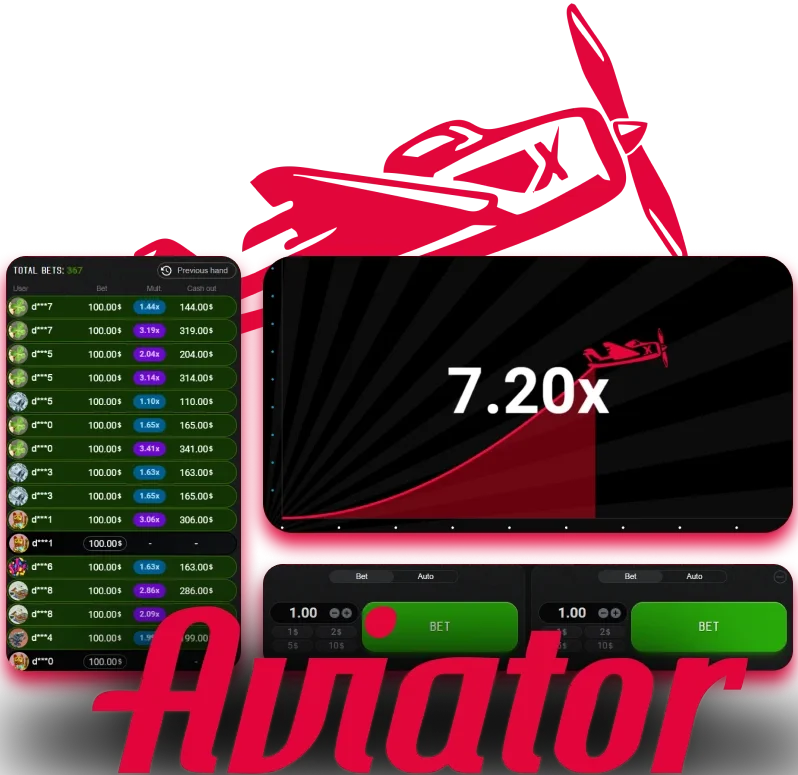
If you want to play Aviator successfully, you must understand the symbols. This game avoids the classic symbols of a standard slot machine. The visual language is clear and concentrated on data, built for real-time decisions. You’ll see a simple collection of symbols and numbers that show you all about the current round, the growing multiplier, and when to act. The guide explains every visual element, from the primary airplane to the betting panel and history logs. After you learn the function of each part, you can play with increased assurance and a clearer plan. The layout is focused on clarity, so even as the action intensifies, the information you need is directly in front of you.
The Main Aircraft: The Core Multiplier Symbol
That plane is the centerpiece of the show. It is an animated symbol, not just a picture. When a round starts, the jet begins to climb from the bottom left corner of your screen. Its ascent is tied directly to the multiplier, a number shown next to the aircraft. As the jet climbs, the multiplier grows, starting from 1.00x. Here’s the key point: the aircraft can vanish at any random moment. When it disappears, the session ends and the multiplier value drops to zero. So this plane symbol is an active indicator of both your potential and your exposure. Your task is to hit “cash out” and lock in your earnings before the jet disappears. The ascent path is the game’s heartbeat, turning a basic animation into a source of real tension. The fluid rise and the unpredictable end point create that distinctive tension. The plane isn’t just an icon; it is a live tracker of your possible winnings and the risk of losing it all.
In-depth Breakdown of the Betting Panel
Let’s take a look more closely at the gambling panel, your strategic hub. Each component has a job. Your funds is not merely a value; it’s your resource pool for the round, governing what you can stake. Selecting your stake counts because it affects your projected winnings and risk immediately. The projected win readout is a powerful motivator, rendering your possible victory apparent and shaping your timing. The cash-out control, generally big and in the middle, is your gateway to locking in funds. How large it is tells you how critical it truly is. The auto cash-out input transforms a basic value into an automated action, eliminating human response time out of the formula. When you grasp how these components interact, you can set up the layout to suit your preference, be it you like quick hand-operated actions or a more passive, structured method.
Control Icons for Settings and Data
On the sides of the central interface, there are typical symbols for supplementary options. Typically there is a settings or menu symbol for game configuration. From here you can adjust audio, visuals, or verify your automatic cash-out setting. An “i” icon almost always provides access to the official rules and a detailed overview of how the game operates. A chart or history icon may open a deeper statistical breakdown than the central history display. Some game variants include a button to toggle between various visual styles for the plane or environment. These buttons do not affect the fundamental gameplay, but they matter. They allow you tailor your experience, access the full rules, and locate responsible gambling tools. Knowing these icons lets you configure the game to your taste and get help without leaving the display.
- Gear Icon (Options):
- Details (“i”) Symbol:
- Chart or History Icon:
- Appearance Selector:
- Customer Support Button:
Understanding Numerical Values and Ranges
The numbers in Aviator are representations themselves. They indicate real money outcomes. The multiplier can begin at 1.00x and go very high, though in practice it usually falls within certain limits. You need to comprehend the relationship between your bet size, the multiplier, and your final win. For instance, a $10 bet at a 2.50x multiplier gives you a $25 return (a $15 profit). It’s also key to recognize what counts as a “win.” Cashing out at 1.50x always gives a profit, but the size depends on your original stake. The auto cash-out feature turns a number you pick into an automatic command for the game. Deciphering these numbers correctly is the basis of any strategy. They translate the abstract flight of a plane into concrete changes to your balance. A solid grasp of basic math is one of the most useful tools you can have.
- Low-Range Multipliers (1.10x – 2.00x):
- Mid-Range Multipliers (2.01x – 5.00x):
- High-Range Multipliers (5.01x and above):
The Multiplier Panel and Stake Grid
Beside the aircraft, you will see the current multiplier in prominent, bold digits. This is the essential value on the screen. It shows the specific value your active bet will be boosted by if you cash out now. The betting panel surrounding it holds other crucial icons and numbers. You will see your total balance, a field to set your bet amount, and the crucial “Bet” and “Cash Out” buttons. Many versions also include an “Auto Cash Out” feature where you can set a target multiplier in advance. Commonly, a “Potential Win” amount refreshes in real time next to the multiplier. This complete array of displays and buttons is your command center. Knowing what each one does is crucial before you place a wager. Mastering this panel is how you move beyond observing and start making strategic decisions.
- Current Balance:
- Bet Amount Selector:
- Potential Win Display:
- Cash Out Button:
- Auto Cash Out Setting:
Match Phase Signals and Messages
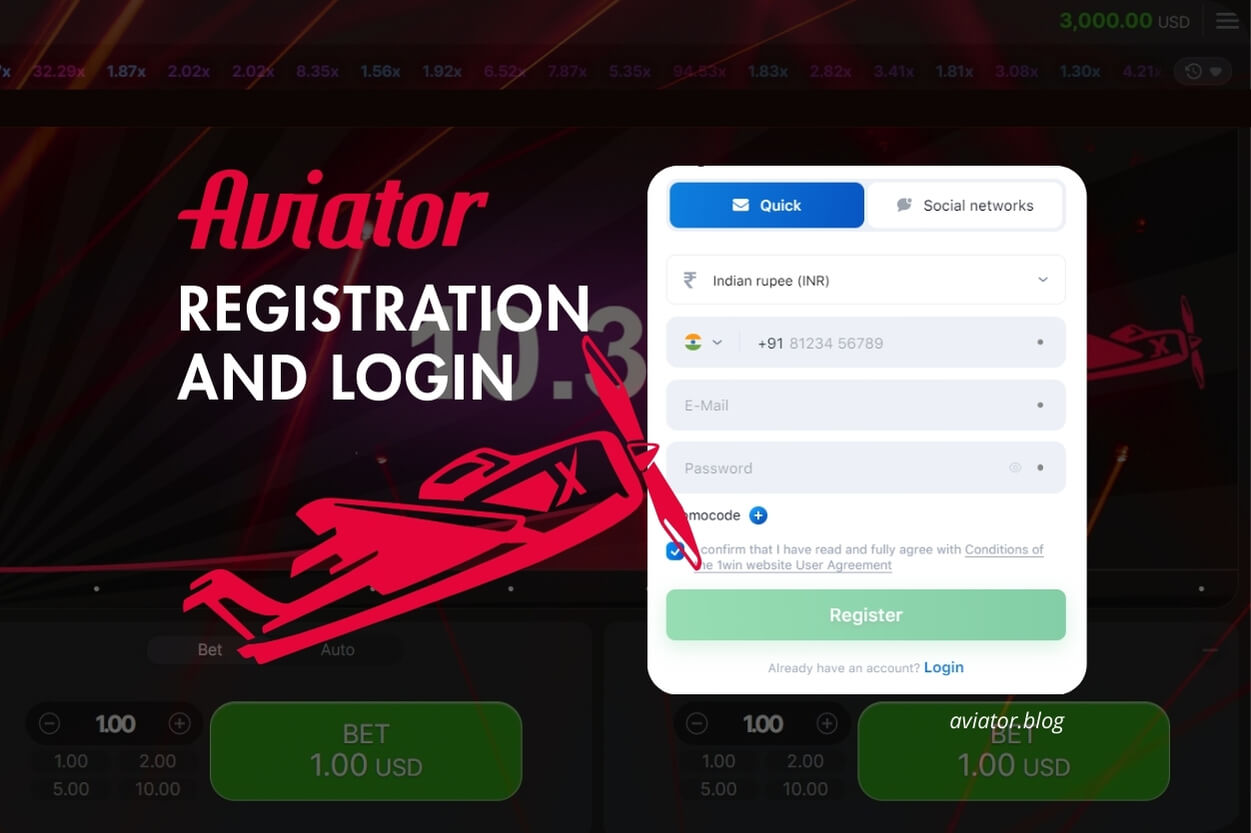
Compact symbols and text messages update you about the game’s status. When a round is about to begin, you’ll typically see a “Place Your Bets” message or a countdown timer. When betting closes, a “Round Started” indicator becomes visible and the plane begins to climb. The most important alert is the “Aircraft Crashed” or “Fly Away” message that shows when the round ends on its own. If you cash out manually, you’ll typically get a confirmation like “Cash Out at [X] multiplier!” along with a sound or visual effect. The game might use color changes too; the “Cash Out” button could light up or change color when a profit is available. These indicators are the game’s way of talking to you, steering you through each step. Noticing these signals stops you from getting confused. You’ll constantly know when you can act and when the round is truly over.
Typical Visual Cues and Motion Effects
Aviator Game Aviators employ more than static symbols. Animations and visual cues give you feedback and heighten the excitement. The plane’s smooth climb is the main event. When you properly cash out, you’ll often see your winnings appear to your balance, sometimes with a little sparkle or celebratory sound. If the plane flies away before you cash out, the screen might jolt briefly or the multiplier display could blink. The potential win number usually increases quickly during the flight, contributing to the kinetic feel. These effects are meant to build anticipation and give you instant, clear feedback on your actions. Identifying these cues helps you stay focused during fast rounds. You adapt to the game’s events instead of being distracted by them. They act as emotional punctuation marks, making moments of success and loss clear.
The History Board and Past Rounds
You’ll usually find a history board or past rounds panel next to the primary game screen. It uses basic symbols: a list of figures showing the multipliers from recent rounds where the aircraft departed. These values often appear in a column or column. Some game variants color-code them, using red for early crashes and green tones or blue tones for higher ones. Keep in mind, this display is only for informational purposes. It doesn’t predict what will occur next. It lets you see the volatility of the game and recent action. The key point to realize is that this record is a log of previous random occurrences, not a puzzle to solve. It can offer an impression for the current rhythm of the game, which could aid you determine whether to take a cautious approach or assume a greater risk in the next round.
Emblems and Safe Gameplay
You’ll also discover symbols for safe gaming, like a green checkmark, a clock, or typical icons for setting account limits and self-exclusion. These are typically in the settings menu or as persistent links on the gaming platform itself. They don’t belong to the core action, but they may be the most important symbols to identify. They symbolize the controls you have to manage your time and spending. Being aware these options exist and how to find them helps preserve the game fun and within your personal limits. In the end, understanding Aviator’s symbols isn’t just about reading multipliers and buttons. It’s about grasping the whole interface, including the features that help you play safely. A well-informed player understands how to play the game and how to use the tools available to keep it under control.

About author

Add comment